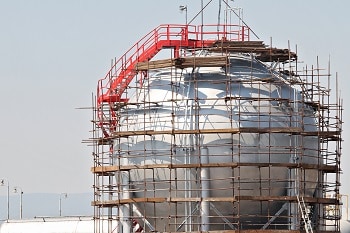
Understanding the Importance of Rigorous Storage Tank Welding Assessment Processes in Averting Failures and Enhancing Lifespan
In the realm of commercial procedures, the significance of strenuous tank welding evaluation procedures can not be overstated. By applying different evaluation techniques, companies can identify defects early, thereby preventing expensive repercussions and expanding the life of their storage tanks.
Significance of Welding Inspections
Identifying the crucial duty of welding evaluations in maintaining architectural honesty, these processes make sure that welds meet recognized requirements and requirements - Tank Welding Inspection. Effective welding assessments are paramount in the building and maintenance of containers, as they straight influence the sturdiness and safety of the structures. By determining potential shortages, such as inappropriate techniques or material problems, evaluations alleviate the threat of catastrophic failures
Welding assessments incorporate numerous techniques, including visual assessments, non-destructive screening (NDT), and analyses of welding procedures. Each approach offers to verify the quality and compliance of welds with industry guidelines, thus safeguarding both workers and ecological passions. Additionally, regular inspections promote a culture of responsibility and quality within the workforce, making certain that all employee comply with finest practices.
Moreover, these examinations contribute to the overall lifecycle monitoring of containers by determining wear or degradation early at the same time. By resolving these concerns proactively, organizations can extend the operational life expectancy of their properties, ultimately resulting in set you back financial savings and improved reliability. In summary, the relevance of welding examinations can not be overemphasized; they are crucial for ensuring security, longevity, and compliance in storage tank building and upkeep.
Common Sources Of Storage Tank Failings
Comprehending the typical sources of tank failings is essential for preventing catastrophic incidents and making sure the longevity of storage systems. One prevalent root cause of container failing is deterioration, which can substantially compromise the structural honesty of containers gradually. Ecological aspects, such as exposure to dampness, chemicals, and temperature fluctuations, can accelerate this procedure.
One more critical element is incorrect welding strategies, which may result in issues like fractures or insufficient joints. These issues can jeopardize the storage tank's strength and bring about leakages or ruptures. Additionally, inadequate upkeep methods can result in unseen damage, ultimately enhancing the risk of failure.
Layout problems, including insufficient density or bad material selection, can likewise add to tank vulnerabilities. Functional factors, such as overfilling or exposure to extreme pressures, can strain the storage tank beyond its designated limitations.
Secret Assessment Strategies
Efficient inspection methods play a crucial function in reducing the risks connected with tank failings. A thorough strategy to container welding evaluation includes a number of essential techniques, each designed to identify possible defects and make sure structural integrity.
Aesthetic assessment continues to be the first line of defense, allowing inspectors to recognize surface area abnormalities such as splits, corrosion, or misalignment. This method is commonly supplemented by non-destructive screening (NDT) approaches, which are necessary for evaluating weld quality without jeopardizing the container's stability.
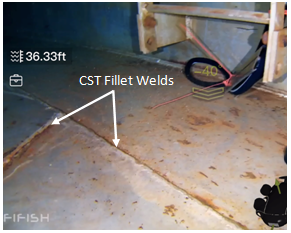
Furthermore, magnetic fragment screening (MPT) and dye penetrant screening (DPT) are efficient for discovering surface defects in ferromagnetic materials and non-porous surfaces, respectively. Each technique has its staminas and constraints; for that reason, a combination of approaches is commonly utilized to attain extensive evaluation results.
Benefits of Strenuous Assessments
While the immediate costs of extensive evaluations may seem overwhelming, the long-lasting advantages considerably outweigh these first financial investments. Executing thorough assessment processes not only boosts the stability and safety and security of tank structures however also minimizes the risk of devastating failings that can cause considerable monetary losses and ecological injury.
Rigorous assessments help determine potential concerns early in the welding procedure, allowing for timely restorative activities that protect against expensive repair services or substitutes down the line. This aggressive approach fosters a society of quality control, where adherence to ideal techniques comes to be implanted in operational treatments. Routine evaluations contribute to increased property durability, as they ensure that tanks stay in optimal problem throughout their life-span.
In enhancement, the documents produced from these assessments functions as a valuable resource for maintenance planning and efficiency examinations. This data-driven technique can also improve functional efficiency, resulting in reduced downtime and enhanced efficiency. Inevitably, extensive examinations not only guard the architectural honesty of storage tanks however also give considerable economic advantages, enhancing the concept that investing in quality control is a wise choice for any kind of company involved in container procedures.
Regulatory Requirements and Conformity
Governing standards and conformity are important components of storage tank welding examination look what i found procedures, as they develop the framework for ensuring security and quality in procedures. Compliance with these standards not only mitigates dangers but likewise enhances the overall honesty of bonded structures. Various companies, consisting of the American Society of Mechanical Engineers (ASME) and the American Oil Institute (API), supply standards that determine appropriate methods for welding, inspection, and screening.
These standards mandate making use of certified workers, the execution of rigorous assessment protocols, and adherence to certain welding treatments. By straightening with regulatory needs, companies can guarantee that their containers meet the required safety and helpful site efficiency standards, thereby minimizing the chance of devastating failings that can cause substantial financial losses and environmental damages.

Additionally, regulatory compliance promotes a society of liability and continuous renovation within the welding and manufacture industries (Tank Welding Inspection). Normal audits and evaluations guarantee that methods stay straightened with advancing standards, consequently advertising lasting integrity and functional efficiency. Ultimately, adherence to regulative criteria not only safeguards possessions however additionally enhances the life-span of bonded containers, guaranteeing they offer their intended purpose successfully gradually
Final Thought
To conclude, extensive storage tank welding assessment processes play a crucial function in stopping failings and expanding the life-span of storage frameworks. By identifying possible shortages through various inspection methods, companies can alleviate dangers associated with tank honesty. The execution of these evaluations promotes a culture of quality control, resulting in boosted asset durability, reduced upkeep prices, and enhanced operational performance. Following regulative standards additionally underscores the relevance of these assessments in keeping safety and integrity within the market.